
Termite Treatment in Wollongong
Serving the Illawarra, Macarthur & Southern Highlands regions
Pet-safe, odour-free pest control with fast, effective results from trusted local exterminators.
Fully Licensed
No Mess Left
Local Knowledge
Responsive Support
Safe, Targeted Termite Treatment in Wollongong
At Premier Pest Control Wollongong, we take termite treatment seriously. We use the latest detection tools and treatment methods to protect your home from structural damage caused by termites. Our termite solutions are proven to work and tailored to suit the conditions and climate in Wollongong and surrounding areas.
We understand how stressful termite issues can be, which is why we act fast and communicate clearly every step of the way. Whether it’s a treatment, inspection or follow-up, we’re here to help. Call us on 0406 490 179 to speak with our friendly team today.
Contact Us Today
Thank you for contacting Premier Pest Control Wollongong.
We will get back to you as soon as possible.
Please try again later.
Rental Protection Plan
Landlord Protection Plan

Rental Protection Plan – $49/month + GST
Our most popular plan – perfect for tenants or busy households.
Inclusions:
- Summer General Pest Spray
- Winter Rodent Baiting Service
- Choice of External Spider Spray or Cockroach Treatment (with rodent service)
- Annual Property Pest Control Report

Landlord Protection Plan – $64/month + GST
Comprehensive, all-season protection for landlords and property owners.
Inclusions:
- Summer General Pest Spray
- Winter Rodent Baiting Service
- External Spider Spray or Cockroach Treatment (with winter service & termite inspection)
- Annual Termite Inspection
- Annual Property Pest Control Report
- Termite Inspection Compliance Report (for records & audits)
Exclusive Benefit:
Priority Service Access – Fast-tracked response and guaranteed priority scheduling for any pest issues reported.
How We Treat Termites
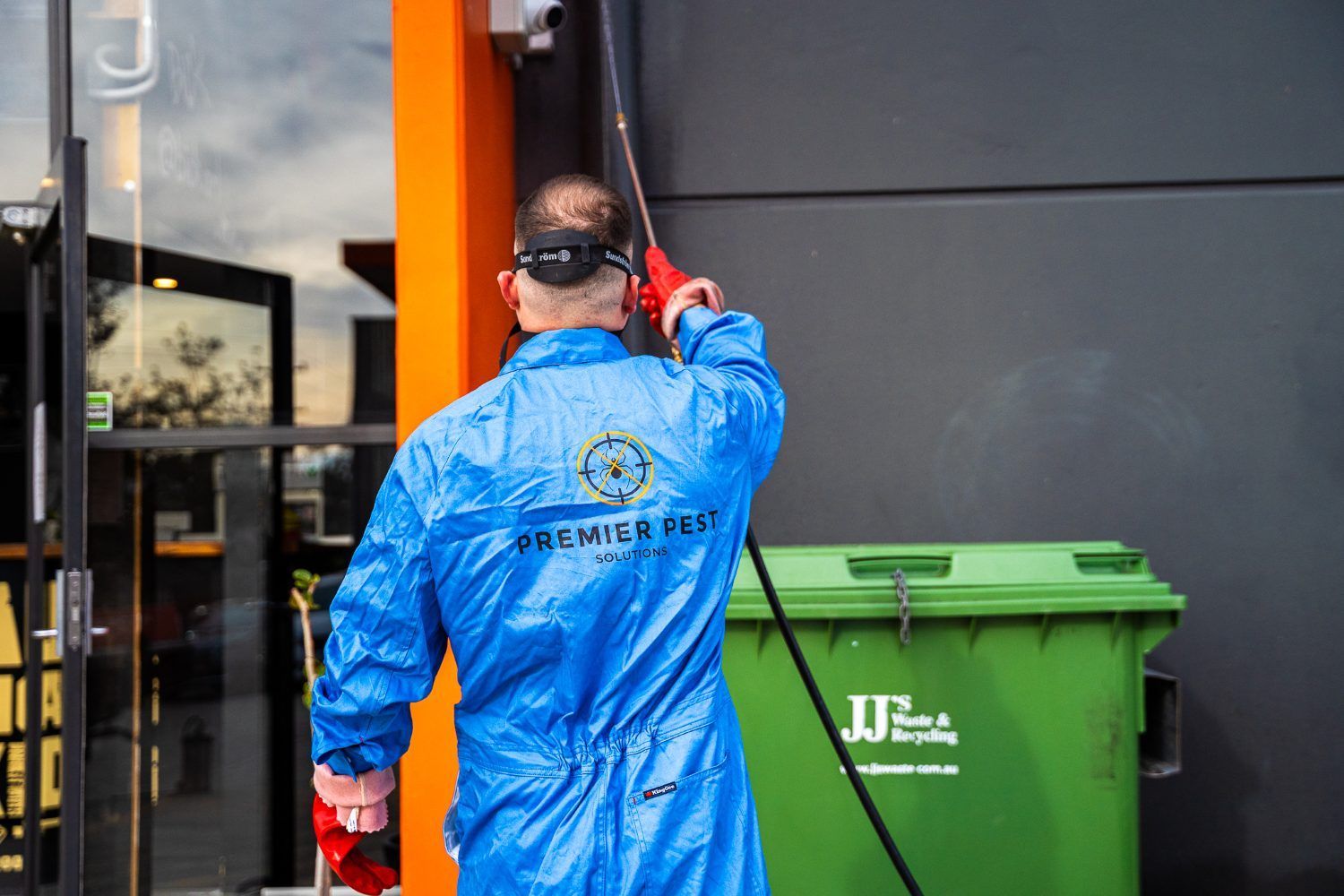
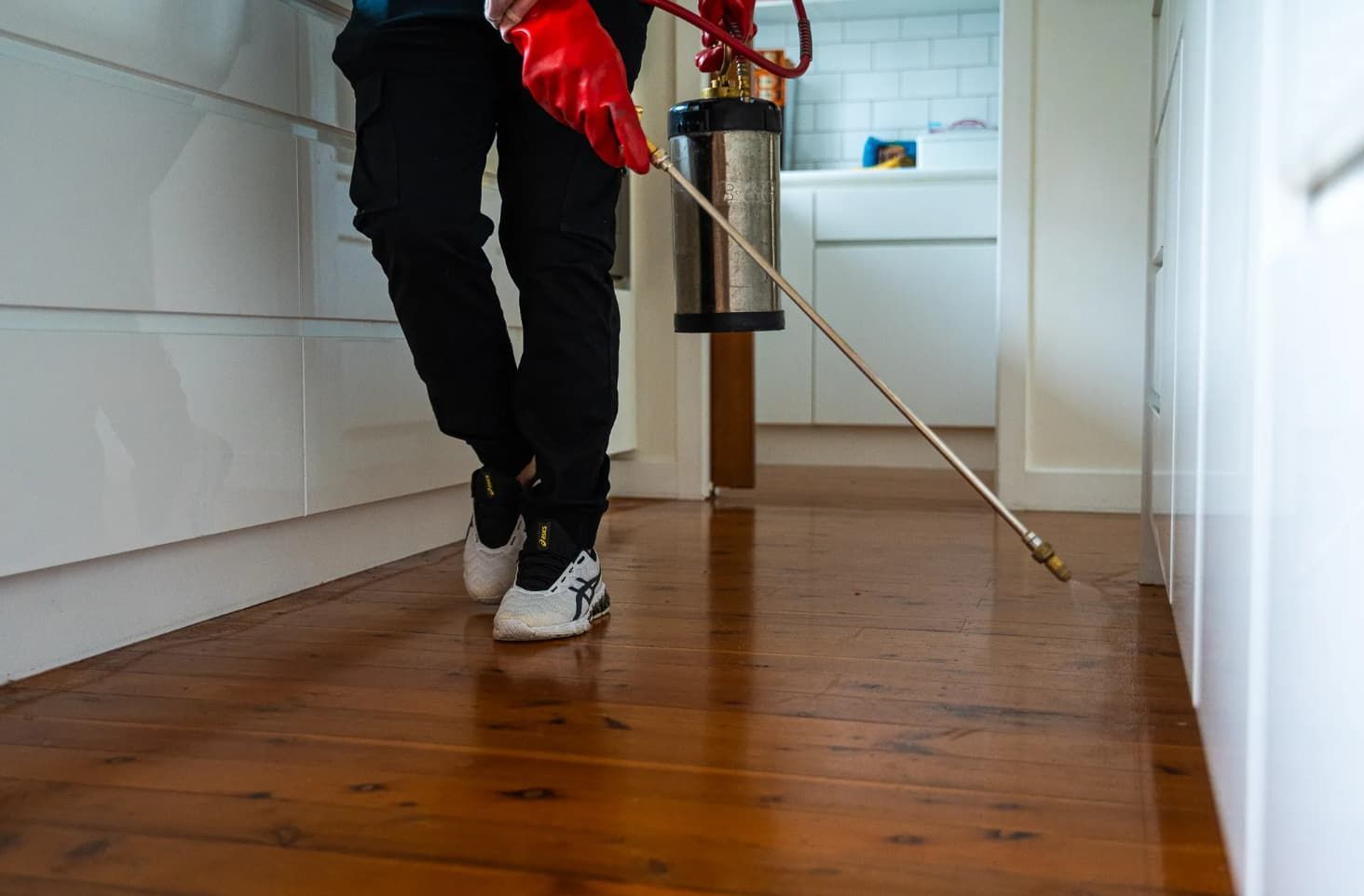
We begin with a full inspection to identify termite activity and access points. Depending on the findings, treatment may include chemical barriers around your property, baiting systems that eliminate the colony, or direct application of termiticides to affected areas. Every solution is safe for homes, pets, and families—and is backed by expert follow-up and monitoring.
Visual Termite Inspection
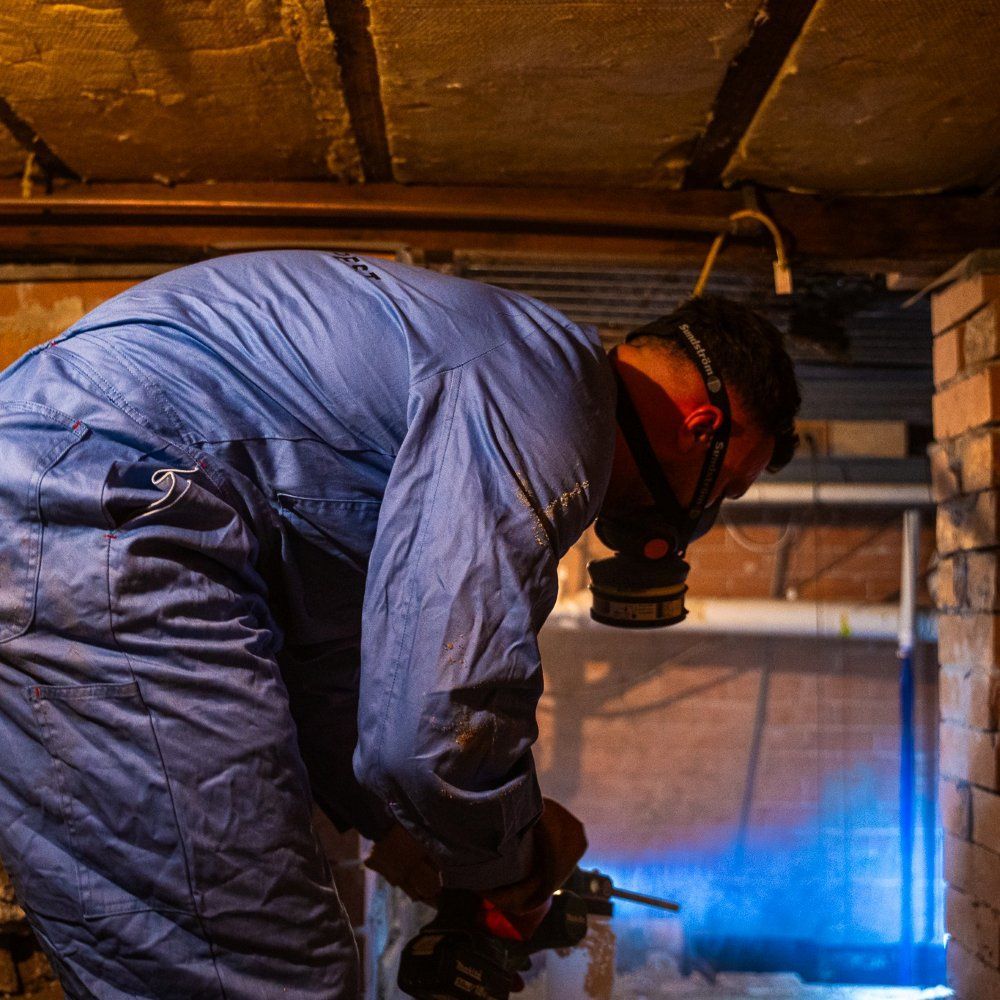
Before buying a home, it’s crucial to understand whether the property has any signs of termite activity or past damage. A visual termite inspection gives you peace of mind by identifying visible evidence of termites and conditions that could attract them.
Our licensed technicians thoroughly assess the interior, exterior, subfloor, roof void, and surrounding grounds using specialised tools and years of expertise. We’ll provide a detailed report outlining any current infestations, previous damage, or risk areas, helping you make an informed decision before you commit. It’s a simple step that could save you thousands in future repairs.
Frequently Asked Questions
Here are some commonly searched questions about termite control to help homeowners understand treatment options, warning signs and long-term protection strategies.
How can you tell if termites are in your house?
Early signs of termites can include hollow-sounding timber, soft or bubbling paint, mud tunnels along walls or foundations, discarded wings near windows, or faint clicking noises inside walls. In many cases, there are no obvious visual signs until significant damage has occurred, which is why professional inspections are recommended at least once a year.
How long does termite treatment last?
Termite treatment longevity depends on the method, property conditions and risk level. Chemical soil treatments can last 5–8 years when applied correctly, while baiting systems require ongoing monitoring but offer continuous protection. Moisture levels, landscaping and construction types can all impact durability, so regular inspections help ensure long-term effectiveness.
What is the most effective way to get rid of termites?
The most effective method depends on whether termites are active or simply a risk. For active infestations, professionals may use targeted dusting, foaming or baiting to eliminate the colony. For prevention, barrier systems or treated soil zones can protect the perimeter. A tailored plan is usually required to address the property’s structure and environment.


